 delishing
How to Choose the Right Sandwich Bread: A Baker's Guide


Sandwich bread is more than just a vessel for fillings; it's a key component that contributes to the overall flavor and texture of your sandwich. The right bread can elevate a simple sandwich to a culinary experience, while the wrong choice can leave you with a soggy, uninspired meal. This guide explores various sandwich bread options, highlighting their unique characteristics and ideal pairings, offering expert insights into choosing the perfect loaf for every sandwich creation.
Choosing the right sandwich bread is about more than just personal preference; it’s about understanding how different bread types interact with various fillings. From the soft, comforting embrace of white bread to the hearty chew of rye, each bread brings a unique flavor and texture profile to the table. Understanding these nuances allows you to create sandwiches that are not only delicious but also well-balanced and satisfying.
Understanding Sandwich Bread:
The world of sandwich bread is vast, encompassing a wide range of flavors, textures, and nutritional profiles. When selecting bread, consider factors like the type of flour used (wheat, rye, etc.), the presence of grains or seeds, and the baking method employed. Freshness is paramount; look for bread that feels soft and springy to the touch. If purchasing pre-sliced bread, check the expiration date to ensure optimal quality. Some breads are best purchased unsliced, allowing you to control the thickness and prevent them from drying out prematurely.
Why Choose the Right Bread?- Versatility: Different breads complement different fillings. A hearty rye stands up well to strong flavors like pastrami, while a delicate brioche enhances lighter fillings like chicken salad.
- Flavor: Bread contributes its own unique flavor profile to the sandwich. Sourdough offers a tangy bite, while honey oat provides a touch of sweetness.
- Texture: The texture of the bread can significantly impact the overall eating experience. A crusty baguette provides a satisfying crunch, while a soft milk bread offers a melt-in-your-mouth sensation.
Preparation (Mise en Place)
Before you start building your sandwich, consider the preparation of your bread.
- Thawing: Frozen bread should be thawed completely before use. A quick way to thaw slices is to microwave them on low power for a few seconds, being careful not to overheat and dry them out.
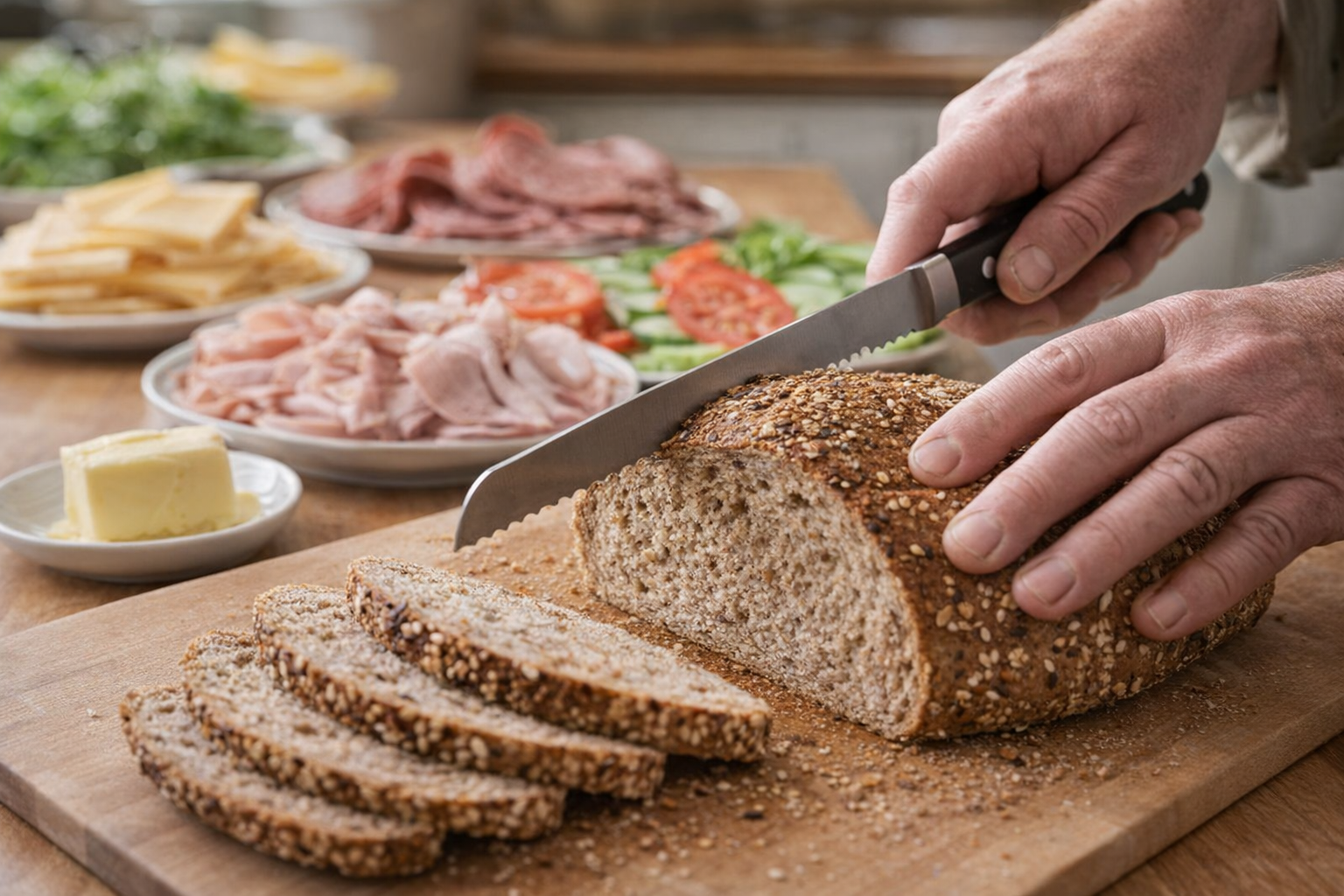
- Cutting: Use a serrated bread knife for clean, even slices. Adjust the thickness of the slices based on the filling; heartier fillings require thicker slices.
- Toasting (Optional): Toasting can add texture and enhance the flavor of certain breads. Consider toasting sturdier breads like rye or sourdough for added stability.
Essential Tools
- Serrated Bread Knife: A long, serrated knife is essential for slicing bread evenly without tearing it. The serrations grip the crust and allow for a clean cut.
- Cutting Board: A sturdy cutting board provides a stable surface for slicing bread and assembling sandwiches.
- Toaster (Optional): A toaster is useful for adding texture and enhancing the flavor of certain breads.
The Best Sandwich Bread Choices
Here are a few popular sandwich bread ideas to choose from
Plain White Bread
Ingredients:
- Your favorite sandwich fillings
- White bread is a classic, offering a soft, mild flavor that complements a wide range of fillings.
- Select high-quality white bread that's fresh and springy, if you buy it premade.
- Spread your desired condiments and add your choice of meat and vegetables.
Whole Wheat Bread
Ingredients:
- Your favorite sandwich fillings
- Whole wheat bread provides a slightly nutty flavor and is packed with fiber and nutrients.
- Use whole wheat bread for a healthier sandwich option.
Multigrain Bread
Ingredients:
- Your favorite sandwich fillings
- Multigrain bread is made with a variety of grains and seeds, offering a complex flavor and texture.
- Pair it with fillings that complement its hearty profile.
Sourdough Bread
Ingredients:
- Your favorite sandwich fillings
- Sourdough bread brings a tangy flavor and rustic crust to your sandwich.
- Enjoy the chewy texture and unique flavor of this artisanal bread.
Honey Oat Bread
Ingredients:
- Your favorite sandwich fillings
- Honey oat bread adds a touch of sweetness and a nutty flavor to your sandwich.
- The oats provide a pleasant texture and a subtle sweetness.
Rye Bread
Ingredients:
- Your favorite sandwich fillings
- Rye bread offers a distinctive flavor and a slightly chewy texture.
- Use rye bread with pastrami and sauerkraut.
Pumpernickel Bread
Ingredients:
- Your favorite sandwich fillings
- Pumpernickel bread has a dark, dense, and robust flavor.
- This flavor comes from whole rye grains and a long, slow baking process.
Ciabatta Bread
Ingredients:
- Your favorite sandwich fillings
- Ciabatta bread is a crusty Italian bread with a porous and airy crumb.
- Enjoy the texture with gourmet sandwiches.
Challah Bread
Ingredients:
- Your favorite sandwich fillings
- Challah bread has a subtle sweet flavor and a soft, chewy texture.
- The chewy texture works well with paninis or grilled sandwiches.
Brioche Bread
Ingredients:
- Your favorite sandwich fillings
- Brioche bread is rich, buttery, and slightly sweet.
- Use the sweet flavor with ham and cheese, chicken salad, or smoked salmon.
Jalapeño Cheddar Bread
Ingredients:
- Your favorite sandwich fillings
- Jalapeño cheddar bread combines the heat of jalapeños with the savory flavor of cheddar cheese.
- Make a bold sandwich by using hearty meats like roast beef or grilled chicken.
Rosemary Focaccia
Ingredients:
- Your favorite sandwich fillings
- Rosemary focaccia is an Italian flatbread infused with fragrant rosemary and olive oil.
- Use grilled vegetables, roasted chicken, or thinly sliced prosciutto as sandwich fillings.
Milk Bread
Ingredients:
- Your favorite sandwich fillings
- Milk bread is incredibly soft and tender, with a slight sweetness.
- Use it with simple favorites like ham and cheese or peanut butter and jelly.
Potato Bread
Ingredients:
- Your favorite sandwich fillings
- Potato bread is made with mashed potatoes, resulting in a moist and slightly sweet bread.
- Use with classic fillings like ham and cheese.
Baguette Bread
Ingredients:
- Your favorite sandwich fillings
- A baguette is a long, crusty French bread with a dense crumb.
- Because it has very little moisture, use cured meat and cream cheese as sandwich fillings.
Cooking Time & Doneness Guide
Since these are bread options and don't require active cooking, there are no specific cooking times or internal temperatures to monitor. However, if you choose to toast your bread, aim for a light golden-brown color for optimal texture and flavor. Avoid over-toasting, as this can make the bread dry and brittle.
Visual Cues
- Toasted Bread: Look for a uniform golden-brown color. The edges should be slightly crisp, but the center should remain soft.
Tips for Perfection
- Freshness is Key: Always use the freshest bread possible for the best flavor and texture.
- Consider the Fillings: Choose bread that complements the flavors and textures of your fillings.
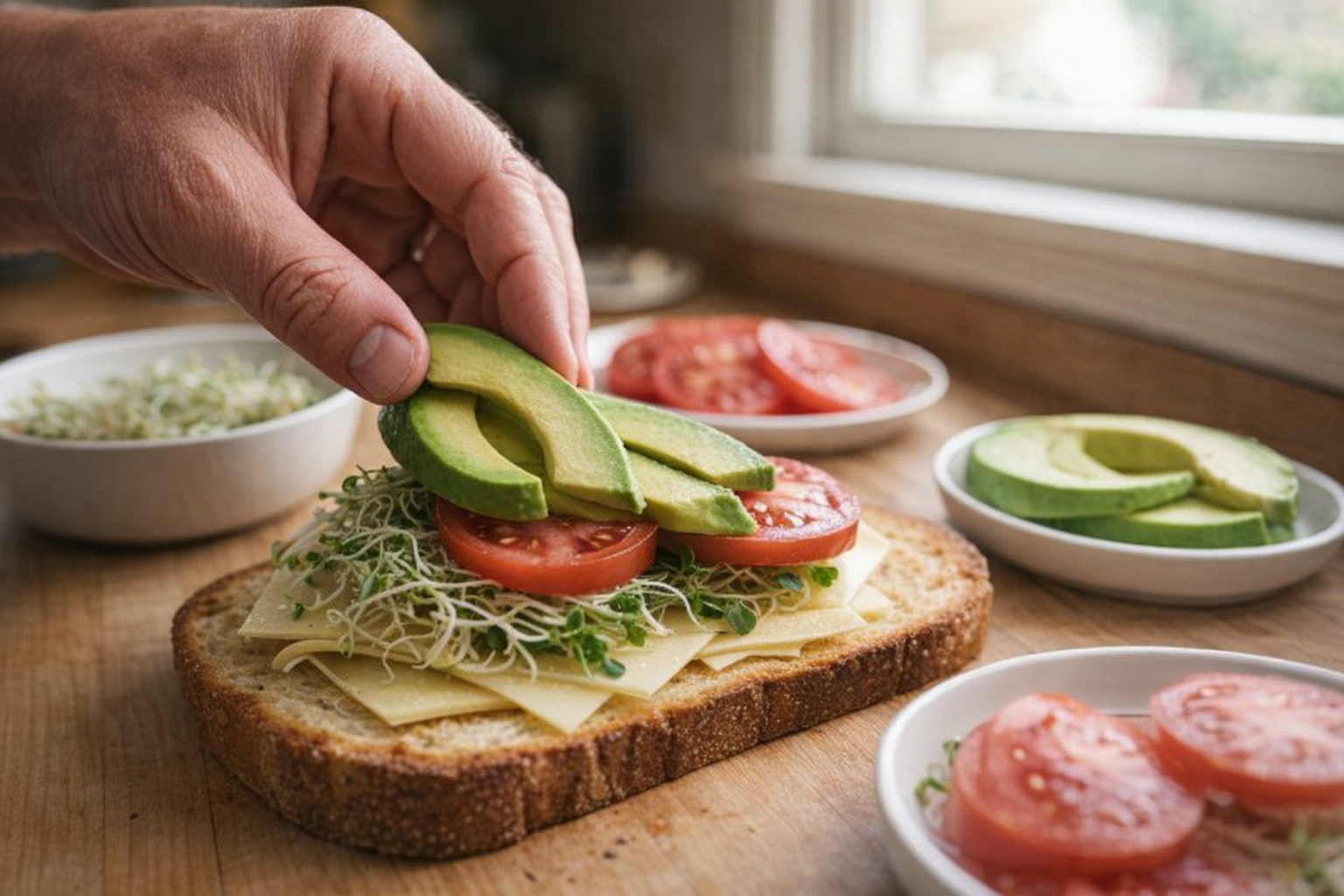
- Don't Overload: Avoid overfilling your sandwich, as this can make it difficult to eat and cause the bread to become soggy.
- Spread Condiments Evenly: Ensure that condiments are spread evenly across the bread to prevent dry spots.
Storage & Reheating
- Storage: Store leftover bread in an airtight container at room temperature to prevent it from drying out.
- Reheating: Reheat bread slices in a toaster or oven for a few minutes to restore their crispness.
Serving Suggestions
- Classic Sandwiches: Use your favorite bread to create classic sandwiches like ham and cheese, turkey and avocado, or peanut butter and jelly.
- Gourmet Creations: Experiment with unique flavor combinations and artisanal breads to create gourmet sandwiches.
- Grilled Sandwiches: Toast it and create a perfect melted, grilled cheese.
- Open-Faced Sandwiches: Showcase the beauty of your bread and fillings by creating open-faced sandwiches.

💡 Pro Tips
- Match dense, crusty loaves with moist fillings like tuna salad to prevent the sandwich from becoming soggy during assembly.
- Use a sharp serrated knife to slice the bread into even layers, ensuring a consistent ratio of crust to crumb in every bite.
- Lightly toast thicker slices of artisan bread to provide structural support for heavy ingredients like roasted meats or multiple layers of vegetables.
- Spread a thin layer of fat, such as butter or pesto, onto the bread slices to create a protective barrier that keeps the crumb crisp.
- Allow freshly baked sandwich loaves to cool for at least one hour before slicing to prevent the interior from becoming gummy or collapsing.
Frequently Asked Questions
To prevent soggy bread, try toasting it lightly before adding fillings. You can also spread a thin layer of butter, mayonnaise, or even a lettuce leaf on the bread to act as a moisture barrier, keeping the filling from directly soaking into the bread.
While a serrated bread knife is ideal, a sharp, long chef's knife can work in a pinch. Use a gentle sawing motion and apply even pressure to avoid crushing the bread. Make sure your knife is very sharp for the best results.
Store leftover bread in an airtight container or a resealable plastic bag at room temperature. Avoid storing bread in the refrigerator, as this can actually dry it out faster. For longer storage, you can freeze the bread, wrapping it tightly in plastic wrap and then placing it in a freezer bag.
Milk bread is a great substitute for white bread, offering a similarly soft and slightly sweet flavor. Another good option is whole wheat bread, which provides more fiber while still maintaining a relatively soft texture depending on the brand and recipe.